
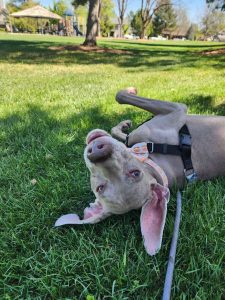
Back-to-school season brings a major change in routine for the entire household, including your pets.
After a summer filled with family activities, visitors, outdoor time, and extra attention, the house can suddenly become very quiet. Your dog may go from having people nearby throughout the day to spending several hours alone.
Dogs thrive on routine, and even confident, well-adjusted pets may need time to adapt. Some dogs sleep more, while others may become restless, vocal, destructive, or overly excited when the family returns home.
Here are seven ways to make the back-to-school transition easier for your dog.
1. Ease Into the New Routine
Whenever possible, begin adjusting your dog’s schedule before the first day of school.
Gradually shift breakfast, walks, playtime, and quiet time toward the schedule your family will follow during the school year. Even a few days of preparation can make the change feel less abrupt.
You can also practice leaving your dog alone for short periods so that a quiet house does not come as a complete surprise.
2. Keep Feeding and Potty Times Consistent
Dogs feel more secure when they know what to expect.
Try to keep meals, bathroom breaks, walks, and bedtime as consistent as possible. A predictable schedule helps your dog understand that even though the family leaves during the day, their needs will still be met.
Young puppies, senior dogs, and pets with medical conditions may need more frequent bathroom breaks than an average adult dog.
3. Provide Exercise Before Everyone Leaves
A morning walk can help your dog release energy before the household becomes quiet.
Exercise does not have to mean a long or strenuous workout. A relaxed walk with plenty of sniffing can provide both physical exercise and mental stimulation.
Sniffing allows dogs to gather information about their environment and can be especially enriching. A dog that has had a chance to move, explore, and use their brain may be more likely to settle comfortably afterward.
4. Leave Safe Enrichment Activities
Give your dog something appropriate to do while the family is away.
Depending on your dog’s habits and safety needs, options may include:
- A food puzzle
- A frozen treat toy
- A snuffle mat
- A safe chew
- Treats hidden around a pet-safe room
- Calming music or familiar background sounds
Always choose enrichment items that are appropriate for your dog’s size and chewing style. Do not leave your pet unattended with a toy or chew that could break apart or create a choking hazard.
5. Watch for Signs of Stress or Boredom
Some dogs adjust quickly, while others show clear signs that they are struggling with the new routine.
Possible signs include:
- Excessive barking or whining
- Pacing or restlessness
- Chewing household items
- Scratching at doors or windows
- House-training accidents
- Reduced appetite
- Excessive drooling
- Following family members constantly
- Extreme excitement when someone returns home
Occasional boredom is different from significant separation distress. If your dog is panicking, attempting to escape, injuring themselves, or showing ongoing behavioral changes, speak with your veterinarian or a qualified behavior professional.
6. Add A Midday Break
For many dogs, the hardest part of the school and workday is how long it lasts.
A midday visit can break up the day and provide:
- A bathroom break
- Fresh air
- Exercise
- Sniffing and mental stimulation
- One-on-one attention
- A familiar and trusted face
Distinctive Pet Care’s Happy Tails Outdoor Club gives dogs something positive to look forward to during the day. Each visit is tailored to the individual dog, whether they enjoy a neighborhood walk, extra sniffing time, play, or a comfortable potty break and companionship.
A midday visit can be especially helpful for puppies, energetic dogs, senior pets, and dogs that are not comfortable being alone for a full workday.
7. Keep Departures and Arrivals Calm
It can be tempting to make a big emotional event out of leaving or returning home, especially when your dog is excited to see you.
Instead, try to keep departures calm and predictable. Give your dog their enrichment activity, offer a simple goodbye, and leave without creating extra excitement.
When you return, allow your dog a moment to settle before beginning an enthusiastic greeting. Calm routines can help teach your dog that people leaving and returning is a normal part of the day.
A Little Preparation Can Make a Big Difference
Your dog does not understand the school calendar. They only know that the routine has changed and their favorite people are suddenly gone for longer periods.
Exercise, enrichment, consistency, and a midday visit can help turn a long, quiet day into a healthier and happier routine.
If your dog could use a bathroom break, a walk, or some extra attention while your family is at school and work, the Happy Tails Outdoor Club may be the perfect addition to their day.
Learn more about Happy Tails Outdoor Club or contact Distinctive Pet Care to discuss the best visit schedule for your pet.


